Not All Red Light Therapy Devices Are Created Equal Understanding Joules and Their Impact on Results
Red light therapy has gained popularity for its potential benefits in skincare, pain relief, and overall wellness. Yet, many people do not realize that not all red light devices deliver the same results. After personally testing over 1,000 devices, I can confirm that the power output, measured in joules, varies widely—and this difference directly affects how well the therapy works. Some devices, even those costing thousands of dollars, emit as little energy as a tiny Christmas tree light, making them ineffective. Others, carefully calibrated, provide therapeutic doses that can support skin health, relieve pain, and even benefit deeper tissues.
This post explains why joules matter, how different devices compare, and how to choose the right red light therapy for your needs.
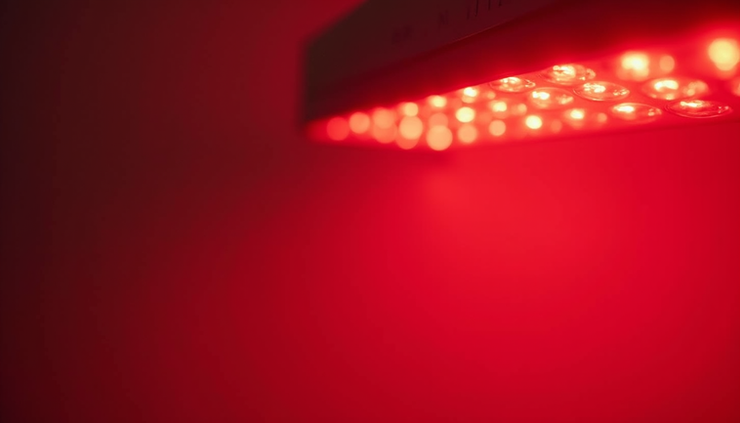
What Joules Mean in Red Light Therapy
Joules measure the amount of energy delivered per square centimeter during a treatment session. This energy is what stimulates cells, promoting healing, collagen production, and pain relief. The higher the joule output, the stronger the dose your body receives.
Low joule output (5-10 joules) usually supports gentle skincare benefits like mild collagen stimulation and skin tone improvement.
Moderate joule output (30-40 joules) can provide more significant skin benefits and start to affect deeper tissues.
High joule output (70 joules and above) targets deeper layers, including muscles and bones, offering pain relief and tissue repair.
Understanding joules helps you avoid wasting time and money on devices that look impressive but deliver weak energy.
Why Many Devices Fail to Deliver Effective Therapy
During my testing of over 1,000 devices, I found many units—some priced as high as $10,000—emit energy comparable to a small Christmas tree light. These devices often use low-quality LEDs or poor design, resulting in minimal joule output. On the other hand, some inexpensive devices around $20 also fall into this category.
Manufacturers of ineffective devices have stopped sending samples for testing because they do not want their products exposed as underperforming. This lack of transparency makes it harder for consumers to make informed choices.
Comparing Common Red Light Therapy Devices
Here’s a quick reference to the typical joule outputs you might encounter:
Fluorescent tubes: Deliver about 5 to 10 joules, enough for gentle skincare support but not much more.
Gym units: Often provide around 5 joules, suitable for basic skin maintenance.
Our Lay-down room 5: Offers 10 joules, a moderate dose for skin health.
Our Dermatology unit in spa room 4: Delivers 36 joules of red and/or blue light, a therapeutic dose that benefits skin and provides residual effects throughout the body.
Our Spa room 7: Provides 30 joules plus infrared light, targeting deeper tissue and bone for enhanced healing.
Our Spa room 3: Emits 72 joules with infrared panels, ideal for spot treatments and deeper tissue repair.
Our Spa room 12: Offers 100 targeted joules, excellent for focused pain relief.
Between spa rooms 7 and 3, there is no clear winner; both deliver strong doses with infrared support, and alternating between them can maximize benefits.
How to Choose the Right Red Light Therapy Device
When selecting a device or treatment plan, consider these factors:
Joule output: Look for devices that specify joules per square centimeter. Avoid those with vague claims or no data.
Wavelengths: Red light (around 630-660 nm) is great for skin, while near-infrared (800-850 nm) penetrates deeper tissues.
Treatment area: Larger panels cover more skin but may deliver less concentrated energy. Smaller panels can target specific areas with higher joules.
Purpose: Choose lower joules for skin maintenance and higher joules for pain relief or deep tissue healing.
Why Professional Guidance Matters
Because each device and treatment environment differs, personalized consultation helps you find the ideal plan and duration. I offer free consultations to help you understand your options and create a tailored approach based on your goals.
If you want to explore red light therapy and find the right device or treatment plan, email me at sunnyshores814@yahoo.com for more information and a free consultation.
Red light therapy can be a powerful tool when used correctly. Knowing the difference in joule output and device quality ensures you get real benefits instead of wasting time and money. Whether you seek skincare improvements or pain relief, understanding these details will help you make the best choice for your health.


Comments